
Mogothrow77 is a modern software platform designed to streamline complex workflows and deliver high performance across different devices. It emphasizes modular design, making it easy to update or expand without affecting the whole system. The software is suitable for various user roles, from technical experts to general users. Understanding how mogothrow77 software is built provides insight into modern development practices and highlights the importance of planning, architecture, and technology choice.
Core Features of mogothrow77 Software
Mogothrow77 offers essential functionalities that streamline user workflows. It combines real-time dashboards, collaboration tools, and analytics features. Its modular structure allows users to enable or disable features without affecting overall performance. The design ensures usability for both technical and non-technical users.
Key Points:
- Real-time interactive dashboards
- Collaboration tools for team efficiency
- Analytics and performance monitoring
- Customizable modules and features
Key Functionalities
How mogothrow77 Software Is Built is designed with a set of core functionalities that make it versatile:
- Real-time dashboards to visualize data and track progress.
- Collaboration tools to allow multiple users to work together seamlessly.
- Modular components that can be enabled or disabled without affecting the rest of the system.
- Analytics tools to monitor system performance and user activity.
Unique Selling Points
Mogothrow77 stands out due to several key features:
- Modular architecture enables independent development and deployment of components.
- Cross-platform compatibility so it can run on different devices and operating systems.
- Scalability built into the system to handle growing user numbers or increased data volume.
- User-centric design ensures ease of use for both technical and non-technical users.
Technologies Behind mogothrow77 Software
The software uses modern frontend and backend technologies to deliver smooth and reliable functionality. How mogothrow77 Software Is Built frontend frameworks ensure responsiveness and dynamic user interfaces. Backend languages handle data processing, business logic, and API communication. Databases and caching systems optimize data storage and retrieval.
Key Points:
- Frontend: React, Vue.js, JavaScript, HTML, CSS
- Backend: Python, Node.js, Java for server-side logic
- Databases: SQL or NoSQL for structured/unstructured data
- Tools: Docker, CI/CD pipelines, monitoring systems
Frontend Technologies
The frontend, or user interface, is typically developed with modern frameworks like React, Vue.js, or Angular, which allow dynamic updates, interactive elements, and responsive designs. HTML, CSS, and JavaScript form the foundation, ensuring a visually appealing and intuitive interface.
Backend Technologies
The backend handles the core logic and data processing. Languages like Python, Java, or Node.js are often used due to their scalability and reliability. The backend communicates with the frontend via APIs and manages database operations, authentication, and business logic.
Database and Storage
Databases store and manage the software’s data efficiently. How mogothrow77 Software Is Built uses relational databases (like PostgreSQL or MySQL) for structured data and NoSQL databases (like MongoDB) for unstructured or flexible data storage. Caching systems such as Redis or Memcached improve performance by reducing repeated database queries.
Other Tools and Libraries
Supporting tools enhance development and deployment:
- Docker for creating isolated environments to ensure consistency across development and production.
- Continuous Integration/Continuous Deployment (CI/CD) pipelines for automated testing and deployment.
- Monitoring and logging tools to track system health and performance.
Architecture of mogothrow77 Software
How mogothrow77 Software Is Built follows a modular and layered architecture, meaning different components (like user interface, business logic, and data storage) are separated. This separation improves maintainability, allows for independent updates, and makes debugging easier.
Workflow and Data Flow
Data flows from the frontend to the backend through APIs. The backend processes requests, retrieves or updates data in the database, and sends responses back to the frontend. Authentication and validation layers ensure secure and accurate data handling.
Scalability and Performance Considerations
Scalability is a key design consideration. How mogothrow77 Software Is Built uses a modular approach so that only high-demand components scale when needed, avoiding unnecessary resource usage. Performance optimizations include caching frequently accessed data, using asynchronous processing, and load balancing across servers.
Step-by-Step Development Process
The first step involves understanding user needs, defining project requirements, and designing the system’s architecture. How mogothrow77 Software Is Built planning ensures that the development team has a clear roadmap and avoids scope creep or unexpected technical challenges.
Coding and Implementation
During implementation, developers write code following best practices such as version control, modular coding, and code reviews. This phase turns conceptual designs into functioning software.
Testing and Quality Assurance
Testing is performed at multiple levels:
- Unit tests verify individual components.
- Integration tests check interactions between modules.
- System testing ensures the software works as a whole.
Quality assurance ensures that the software is reliable, secure, and meets user expectations.
Deployment and Maintenance
Once tested, the software is deployed to production environments. Continuous monitoring and regular maintenance are necessary to fix bugs, optimize performance, and release new features. Automated deployment pipelines reduce errors and downtime.
Challenges and Solutions
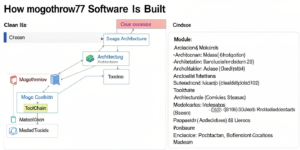
Building complex software like How mogothrow77 Software Is Built comes with technical challenges. Debugging modular systems, maintaining performance, and ensuring secure data access are common issues. These are solved through automated testing, scalable architecture, and strong security measures. The approach ensures long-term reliability and maintainability.
Key Points:
- Debugging modular components
- Performance optimization for high load
- Secure authentication and data integrity
- Automated testing and monitoring
Technical Challenges
Common challenges when building software like mogothrow77 include:
- Debugging complex, modular systems.
- Maintaining performance under high usage or large data volumes.
- Ensuring secure access and data integrity.
How These Challenges Are Solved
These challenges are addressed through:
- Automated testing to detect errors early.
- Scalable, modular architecture to isolate and optimize components.
- Robust security measures including authentication, encryption, and monitoring.
Future Improvements
How mogothrow77 Software Is Built is designed to evolve with user needs and technology trends. Upcoming updates may enhance analytics, mobile support, and automation. Adopting cloud-native services or AI features could further improve efficiency and scalability. Continuous improvement ensures the software stays modern and effective.
Key Points:
- New analytics and reporting features
- Better mobile and cross-platform support
- AI-assisted automation
- Cloud-native scalability improvements
Final Thoughts
Understanding how mogothrow77 software is built reveals the complexity and thoughtfulness involved in modern software development. From modular architecture and scalable backend systems to careful planning, coding, and testing, each stage ensures the software is reliable, efficient, and user-friendly. By following these principles, developers can create systems that are maintainable, adaptable, and prepared for future growth.